Menu
gorilla trekking safaris

Gorilla Trekking Safaris

Gorilla trekking safaris offer one of the most incredible wildlife experiences on Earth, bringing you face-to-face with our closest living relatives in their natural mountain habitats. This guide is perfect for adventure travelers, wildlife enthusiasts, and anyone dreaming of an unforgettable African safari experience.

You’ll discover the world’s best gorilla trekking destinations, from Uganda’s Bwindi Impenetrable Forest to Rwanda’s Volcanoes National Park, and learn exactly what to expect during your mountain gorilla safari. We’ll also cover essential gorilla trekking gear and smart gorilla safari planning strategies to help you make the most of this once-in-a-lifetime adventure.

Essential Planning Steps for Your Gorilla Trekking Safaris Adventure

Choose the Perfect Season for Optimal Wildlife Viewing

Mountain gorilla trekking operates year-round, but timing your visit can dramatically impact your experience. The dry seasons from December to February and June to September offer the best conditions for gorilla safari planning. During these months, hiking trails are less muddy and slippery, making the trek more manageable for visitors of all fitness levels.

The wet seasons (March to May and October to November) bring lush vegetation that provides stunning backdrops for photography, but also means muddier, more challenging terrain. Interestingly, gorilla families tend to stay at lower altitudes during rainy periods, potentially making encounters easier for trekkers. Consider your priorities: easier hiking conditions or potentially closer gorilla encounters with dramatic scenery.

Secure Permits and Book Your Trek in Advance

Gorilla trekking permits are strictly limited to protect these endangered primates. Uganda issues only 152 permits daily across all locations, while Rwanda allows just 96 visitors per day. These permits sell out months in advance, especially during peak seasons.

Book your Uganda gorilla trekking permits 6-12 months ahead through Exclusive Gorilla Vacations an authorized tour operator. Rwanda gorilla tours require similar advance planning through the Rwanda Development Board. Permits cost $800 in Uganda and $1,500 in Rwanda, representing a significant investment that demands early commitment to your travel dates.

Select the Right Gorilla Family Group for Your Experience Level

Each habituated gorilla family has distinct characteristics and accessibility levels. Some groups roam higher mountain slopes requiring 4-6 hours of challenging hiking, while others stay closer to trailheads with 1-2 hour treks. Research available families at your chosen destination and communicate your fitness level and preferences to park rangers during permit booking.

Families with playful juveniles offer incredible entertainment, while groups with silverback interactions provide more dramatic encounters. Your guide will assign groups based on trekker fitness assessments conducted the morning of your trek.

Plan Your Physical Fitness Training Regime

Gorilla trekking demands moderate to high fitness levels. Start cardiovascular training 8-12 weeks before your trip, focusing on hiking, walking, and stair climbing. Practice hiking with a daypack on uneven terrain to simulate actual trekking conditions.

Strengthen your legs, core, and ankles through squats, lunges, and balance exercises. Don’t forget upper body strength for navigating through dense vegetation and using trekking poles effectively. Regular yoga or stretching routines improve flexibility for ducking under branches and maneuvering through thick forest undergrowth.

Top Gorilla Trekking Destinations That Deliver Unforgettable Encounters on Gorilla Trekking Safari

Rwanda’s Volcanoes National Park Premium Experience

Rwanda’s Volcanoes National Park stands as the crown jewel of gorilla trekking destinations, offering an unmatched blend of accessibility and authenticity. This compact 160-square-kilometer park houses ten habituated mountain gorilla families, making it the perfect choice for travelers seeking a premium mountain gorilla safari experience.

The park’s strategic location just two hours from Kigali International Airport eliminates the lengthy travel times associated with other gorilla trekking destinations. This convenience factor, combined with Rwanda’s excellent infrastructure and luxury lodge options, attracts discerning travelers who want world-class experiences without compromising comfort.

What sets Rwanda apart is the seamless organization of gorilla trekking operations. The Rwanda Development Board has perfected the permit system, and daily briefings at park headquarters are thorough and professional. Trackers are highly trained, often multilingual, and provide fascinating insights into gorilla behavior and conservation efforts.

The terrain here is challenging but manageable, with well-maintained trails through bamboo forests and volcanic slopes. Each trek typically lasts 1-4 hours, depending on gorilla group locations. The Susa Group, once studied by Dian Fossey, remains a favorite among wildlife enthusiasts for its large family size and playful juveniles.

Rwanda’s commitment to conservation is evident everywhere. Thirty percent of gorilla trekking permit fees directly fund community projects, creating a sustainable tourism model that benefits both wildlife and local communities. The result is an incredibly well-managed experience where every detail has been carefully considered.

Uganda’s Bwindi Impenetrable Forest Adventure

Uganda’s Bwindi Impenetrable Forest offers the most diverse gorilla trekking experience, spanning 331 square kilometers of ancient rainforest that harbors nearly half of the world’s remaining mountain gorillas. This UNESCO World Heritage Site provides adventure-seekers with multiple trekking sectors and varying difficulty levels.

Bwindi hosts 21 habituated gorilla families across four distinct sectors: Buhoma, Ruhija, Rushaga, and Nkuringo. This variety means you can choose experiences ranging from moderate forest walks to challenging mountain climbs. The Nkuringo sector, perched on steep ridges, offers breathtaking panoramic views alongside intense physical challenges that reward serious trekkers.

The forest itself is a botanical wonderland, home to 400 plant species, 350 bird species, and 120 mammal species. During gorilla trekking expeditions, you’ll encounter colobus monkeys, forest elephants, and countless exotic birds. The biodiversity here surpasses most other gorilla trekking destinations, making every moment of the journey captivating.

Uganda’s gorilla safari planning offers excellent value compared to neighboring countries. Permits cost significantly less than Rwanda’s, allowing budget-conscious travelers to experience mountain gorilla encounters without breaking the bank. The country also offers gorilla habituation experiences, where small groups spend four hours with semi-habituated gorilla families alongside researchers.

Local communities around Bwindi have embraced conservation through cultural tourism initiatives. Batwa pygmy cultural walks, community village tours, and traditional performances provide meaningful connections with indigenous cultures while supporting local livelihoods.

Democratic Republic of Congo’s Virunga National Park Hidden Gem

Democratic Republic of Congo’s Virunga National Park represents Africa’s oldest national park and arguably its most adventurous gorilla trekking destination. This 7,800-square-kilometer wilderness encompasses active volcanoes, dense forests, and some of the continent’s most pristine ecosystems, hosting approximately 300 mountain gorillas.

Virunga offers the most affordable gorilla trekking permits, making it accessible to budget travelers seeking authentic wildlife encounters. The park’s eight habituated gorilla families live in varied terrains, from bamboo forests at Mount Mikeno’s base to highland meadows near volcanic peaks. The Mapuwa and Munyaga groups are particularly famous for their relaxed nature and photogenic settings.

What makes Virunga unique is its combination of gorilla trekking with other extraordinary experiences. You can witness active lava lakes at Mount Nyiragongo, track forest elephants, or encounter rare golden monkeys. This diversity creates comprehensive adventure packages that extend far beyond single-species wildlife viewing.

Virunga’s conservation model emphasizes community involvement and sustainable development. Local employment opportunities through tourism create powerful incentives for wildlife protection, while revenue sharing funds education, healthcare, and infrastructure projects in surrounding communities.

What to Expect During Your Life-Changing Gorilla Trek

Navigate Challenging Terrain with Expert Guides

Mountain gorilla trekking takes you through some of Africa’s most rugged landscapes, where dense rainforests, steep hillsides, and muddy trails create an adventure that’s both physically demanding and incredibly rewarding. Your experienced local guides know these forests like the back of their hands, having spent years tracking gorilla families through the thick vegetation of places like Bwindi Impenetrable Forest and Volcanoes National Park.

The trek can last anywhere from 30 minutes to 8 hours, depending on where the gorilla families are located that day. These magnificent creatures move constantly in search of food, so your guides use their tracking skills and radio communication with advance scouts to locate them. You’ll push through bamboo thickets, climb over fallen logs, and navigate muddy paths that can be slippery after rain. The guides carry machetes to clear vegetation and create paths, making the journey manageable even for those with moderate fitness levels.

Experience Heart-Stopping First Contact with Mountain Gorillas

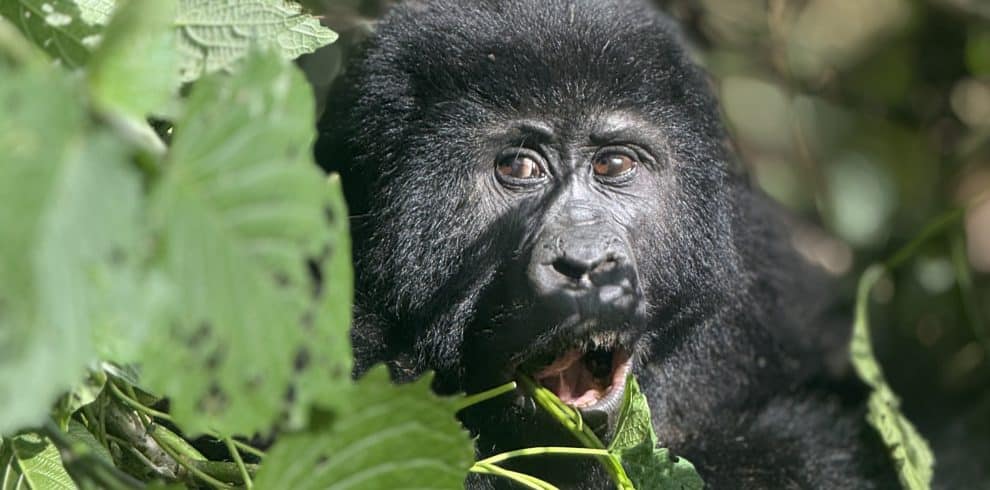
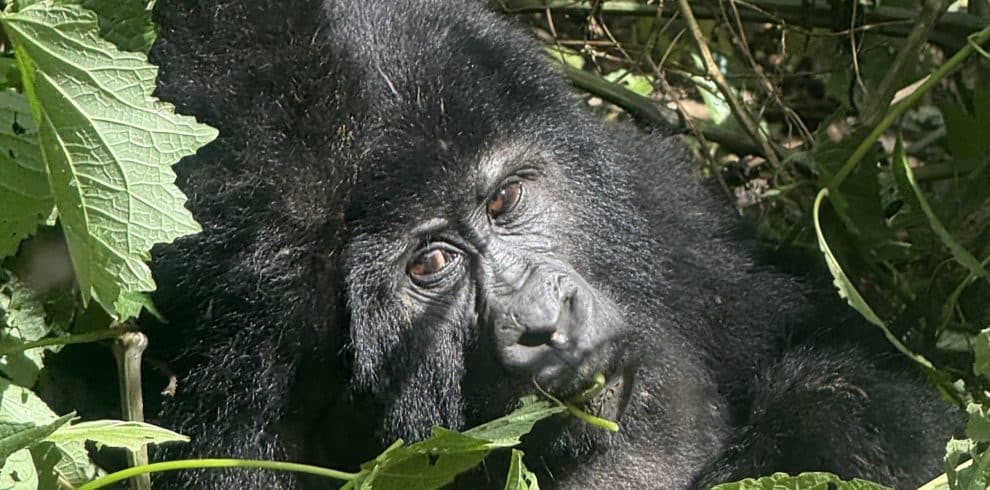
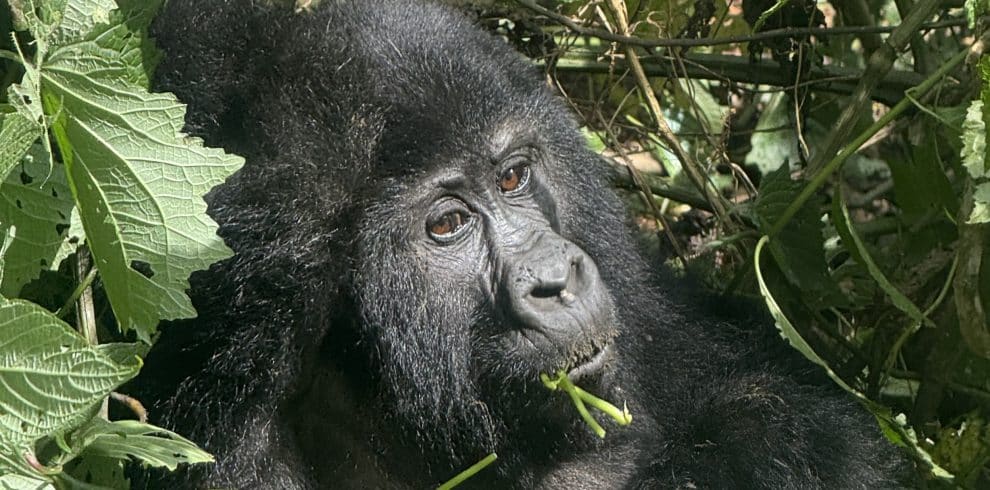
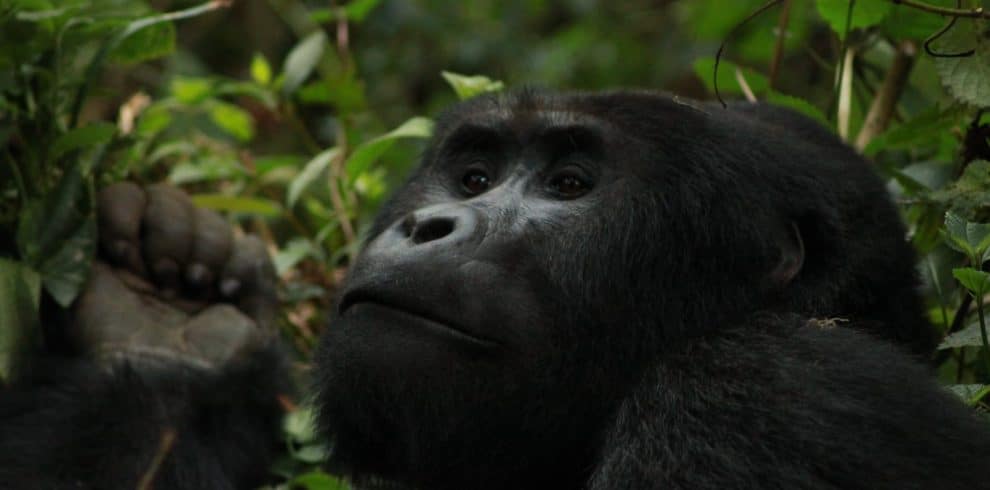
Nothing prepares you for that magical moment when you first lock eyes with a mountain gorilla in the wild. Your heart will race as you realize you’re standing just meters away from one of our closest relatives in the animal kingdom. The sheer size and presence of these gentle giants creates an emotional response that many visitors describe as life-changing.

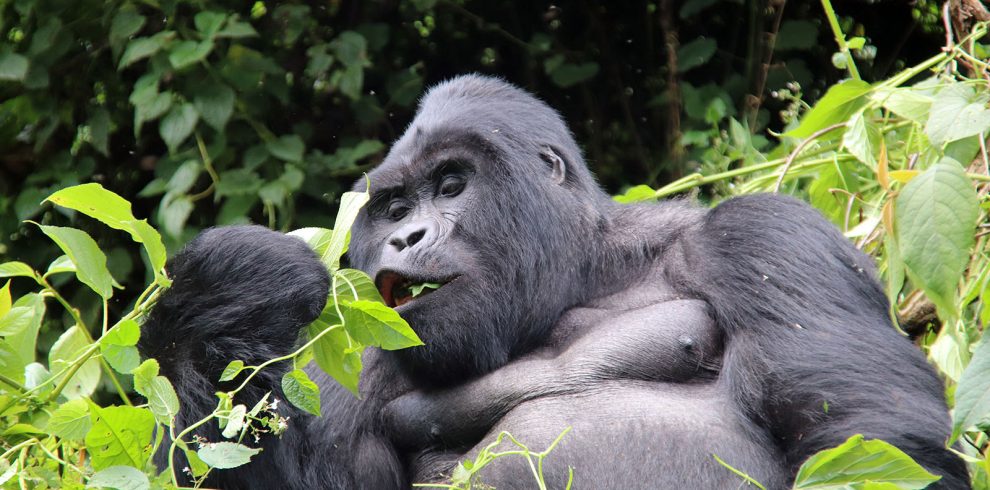
The encounter feels surreal – watching a massive silverback gorilla calmly munching on vegetation while keeping a watchful eye on his family. These intelligent creatures often show curiosity about their human visitors, sometimes approaching within arm’s reach. The guides maintain a safe 7-meter distance, but gorillas don’t always follow human rules, creating thrilling moments when they decide to investigate you more closely.

Capture Once-in-a-Lifetime Photography Opportunities

Gorilla trekking offers photographers extraordinary opportunities to capture intimate moments with these incredible animals in their natural habitat. The forest lighting creates dramatic shadows and highlights, perfect for compelling wildlife photography. You’ll witness gorillas playing, grooming each other, feeding, and interacting in ways that showcase their complex personalities.

Professional photographers recommend bringing a camera with good low-light performance since the forest canopy filters much of the sunlight. Flash photography is prohibited to avoid startling the gorillas, so mastering your camera’s manual settings becomes essential. The close proximity allows for stunning detail shots – the expressive eyes of a curious juvenile, the weathered hands of an elderly female, or the imposing presence of a silverback in his prime.

Observe Fascinating Gorilla Family Social Dynamics

Mountain gorilla families operate with intricate social structures that mirror human relationships in surprising ways. You’ll watch mothers tenderly caring for their babies, juveniles playing together with infectious energy, and adolescents testing boundaries with their elders. The silverback acts as both protector and mediator, stepping in when disputes arise among family members.

Each gorilla has a distinct personality that becomes apparent during your visit. Some are playful and curious, others more reserved and contemplative. You might see grooming sessions that strengthen family bonds, or witness the gentle way adults interact with the youngest members of the group. These behavioral observations provide insights into gorilla intelligence and emotional complexity that researchers have studied for decades.

Enjoy Your Precious One-Hour Wildlife Viewing Window

Regulations limit your time with gorilla families to exactly one hour, a rule designed to minimize stress on the animals while maximizing conservation benefits. This precious hour passes incredibly quickly, filled with wonder and discovery as you observe these remarkable creatures up close. Every moment becomes significant – a playful interaction between siblings, a protective gesture from the silverback, or simply watching them go about their daily routines.

The time restriction also serves a practical purpose, as extended human presence can disrupt natural gorilla behaviors and potentially expose them to human diseases. Your guides will gently remind you when the hour approaches its end, giving you final moments to soak in this extraordinary experience. Most visitors find themselves wishing for more time, but the limited encounter makes every second more precious and memorable.

Essential Gear and Packing Tips for Maximum Comfort on the Gorilla Trekking safaris

Choose Weather-Resistant Clothing for Jungle Conditions

Mountain forests where gorillas live can throw curveballs at you weather-wise. One minute you’re sweating through thick vegetation, the next you’re shivering in a sudden downpour at high altitude. Smart gorilla trekking gear choices make the difference between an incredible adventure and a miserable slog through the jungle.

Start with moisture-wicking base layers that pull sweat away from your skin. Cotton becomes your enemy in these conditions – it stays wet, gets heavy, and leaves you cold. Synthetic materials or merino wool work best. Add a lightweight, long-sleeved shirt for sun protection and to prevent scratches from thorny plants.

Your outer layer needs serious weather protection. A quality rain jacket with full zips and sealed seams keeps you dry during sudden storms. Look for jackets with ventilation zippers under the arms – you’ll appreciate the airflow during steep climbs.

Pants should be lightweight but durable. Many trekkers swear by convertible hiking pants that zip off into shorts. Avoid anything too loose that might snag on branches. Gaiters protect your lower legs from mud, water, and leeches – trust me, you want these.

Waterproof hiking boots with good ankle support are non-negotiable. The terrain gets slippery and uneven. Break them in well before your trip. Pack extra socks – your feet will thank you when you can change into dry pairs.

Don’t forget a waterproof hat and gloves. Even in tropical locations, early morning starts at high elevations can be surprisingly chilly.

Pack Professional Photography Equipment for Stunning Shots

Capturing gorillas in their natural habitat requires specific photography gear and techniques. These magnificent creatures move quickly through dense forest, creating challenging shooting conditions that demand proper equipment preparation.

A camera with excellent low-light performance becomes essential since the forest canopy blocks much sunlight. Full-frame DSLRs or mirrorless cameras with high ISO capabilities work best. Prime lenses in the 85mm to 200mm range offer sharp images without getting too close to the gorillas – remember, you must maintain a 7-meter distance at all times.

Image stabilization saves shots when you’re hand-holding cameras during exciting encounters. Tripods aren’t practical during gorilla trekking since you need mobility and silence. Instead, bring a lightweight monopod or rely on proper hand-holding techniques.

Weather protection for your gear matters as much as personal protection. Waterproof camera covers or rain sleeves keep equipment dry during sudden downpours. Silica gel packets in your camera bag prevent condensation damage in humid conditions.

Multiple memory cards and backup batteries are crucial – you can’t exactly pop into a camera shop mid-trek. Cold weather drains batteries faster, so keep spare batteries warm against your body. A portable battery bank for charging devices overnight at camps proves invaluable.

Practice shooting in challenging conditions before your trip. Learn your camera’s settings for low light and fast-moving subjects. The hour you spend with gorillas passes quickly, and you want muscle memory, not menu diving, when magical moments happen.

Bring Health and Safety Essentials for Remote Locations

Remote gorilla trekking locations put you hours away from medical facilities, making a well-stocked first aid kit your lifeline. Park rangers carry basic supplies, but personal medical needs require your own preparation and planning.

Start with prescription medications – bring more than needed for your trip duration. Pack medications in both carry-on and checked luggage to avoid travel disasters. Include a written list of all medications with generic names, since brand names vary between countries.

Your first aid kit should handle common trekking injuries and illnesses. Include blister treatment supplies like moleskin and antiseptic wipes. Add pain relievers, anti-diarrheal medication, and oral rehydration salts for stomach issues. Antimalarial prophylaxis is essential for most gorilla trekking destinations – consult a travel medicine specialist well before departure.

Insect repellent with DEET protects against disease-carrying mosquitoes and other insects. Pack both spray and lotion forms. Sunscreen rated SPF 30 or higher prevents burns at high altitudes where UV rays intensify.

Water purification tablets or a portable water filter ensure safe drinking water throughout your journey. While lodges provide bottled water, you’ll need backup options during long trekking days.

Include a basic thermometer, antiseptic cream, bandages, and tape for wound care. Add antihistamines for allergic reactions and throat lozenges for dust and dry air irritation. A small LED headlamp with extra batteries helps during early morning starts and emergency situations.

Travel insurance covering emergency medical evacuation provides peace of mind – helicopter evacuation from remote areas costs thousands of dollars without coverage.

Health and Safety Protocols That Protect You and the Gorillas

Meet Mandatory Health Requirements and Vaccinations

Before embarking on your mountain gorilla safari, you’ll need to clear several health requirements that protect both you and these endangered primates. Yellow fever vaccination stands as the most critical requirement for gorilla trekking destinations like Uganda and Rwanda. Most countries require proof of this vaccination if you’re traveling from or through yellow fever endemic areas.

Your doctor should also recommend hepatitis A and B vaccines, typhoid, and meningitis shots at least 4-6 weeks before departure. While malaria prophylaxis isn’t always mandatory, it’s strongly advised since gorilla trekking areas often overlap with malaria zones. Pack anti-malarial medication and consult your physician about the best option for East Africa.

Physical fitness requirements vary by location, but all gorilla trekking destinations demand a reasonable level of stamina. Mountain terrain can be challenging, with steep slopes and high altitudes reaching up to 8,000 feet. If you have respiratory conditions, heart problems, or mobility issues, discuss these with your doctor and tour operator beforehand.

Most importantly, you cannot participate in gorilla trekking if you show any signs of illness, including colds, flu, or stomach issues. Gorillas share 98% of human DNA, making them extremely susceptible to human diseases that could prove fatal to entire gorilla families.

Follow Critical Wildlife Interaction Guidelines

Gorilla trekking safety protocols exist to protect these magnificent creatures while ensuring your unforgettable encounter remains safe. Rangers will brief you thoroughly before each trek, but understanding these guidelines beforehand helps you prepare mentally for the experience.

Never attempt to touch the gorillas, even if they approach you. While gorillas are generally peaceful, they’re incredibly strong wild animals with unpredictable behaviors. If a gorilla approaches you closely, remain calm, avoid direct eye contact, and slowly back away while keeping your body language submissive.

Photography requires specific protocols. Flash photography is strictly prohibited as it can startle and agitate the gorillas. Keep camera movements slow and deliberate. Some destinations limit the number of photos or require additional permits for professional photography equipment.

Voice levels must remain whispered or silent during encounters. Loud noises can stress the gorillas and disrupt their natural behaviors. Turn off mobile phones or switch them to silent mode before entering gorilla territory.

Group sizes are strictly limited to 8 people per gorilla family per day, with visit durations capped at one hour. These restrictions minimize human impact on gorilla behavior and reduce disease transmission risks.

Maintain Safe Distances to Protect Endangered Species

The golden rule of gorilla trekking demands maintaining a minimum distance of 7 meters (23 feet) from any gorilla at all times. This distance helps prevent disease transmission while reducing stress on the animals. Rangers carry measuring sticks to help visitors gauge proper distances.

Sometimes gorillas will approach closer than the required distance, especially curious juveniles. In these situations, you should slowly move backward to reestablish the safe zone. Never move toward a gorilla, even if they seem calm and approachable.

If a gorilla displays aggressive behavior like chest beating, charging, or aggressive vocalizations, drop to a submissive crouch position, avoid eye contact, and remain perfectly still. Rangers are trained to handle these situations, but your compliance with their instructions is crucial for everyone’s safety.

Children under 15 years old cannot participate in most gorilla trekking experiences due to their difficulty maintaining proper distances and following complex safety protocols. Some destinations have raised this age limit to 18 years.

Understanding gorilla social dynamics helps you recognize warning signs. Silverback males are protective of their families and may display dominance behaviors if they perceive threats. Female gorillas with young infants are particularly sensitive to human presence.

Maximize Your Investment with Smart Booking Strategies

Compare Tour Operators for Best Value and Service

Choosing the right tour operator can make or break your gorilla trekking experience. Start by researching operators with established track records in Uganda gorilla trekking and Rwanda gorilla tours. Look for companies that have been running gorilla safari planning services for at least five years and check their reviews on platforms like TripAdvisor and Google.

Don’t just focus on the cheapest option. The best operators offer experienced local guides who know gorilla family territories intimately, provide quality equipment when needed, and maintain strong relationships with park authorities. Ask potential operators about their guide-to-client ratios, backup plans for weather delays, and their safety protocols.

Request detailed itineraries from multiple operators and compare what’s included. Some companies bundle accommodation, meals, and transportation, while others charge separately. Pay attention to the quality of lodging offered – staying closer to park entrances saves valuable time and energy on trek days.

Understand Permit Costs and Hidden Fees

Gorilla trekking permits represent your biggest expense, costing $800 in Uganda and $1,500 in Rwanda per person. These permits are non-refundable and non-transferable, so understand the cancellation policies before booking. Some operators include permits in their packages, while others require you to purchase them separately.

Watch for hidden fees that can inflate your total cost significantly. Common extras include park entrance fees beyond the permit, porter services (highly recommended at $20 per day), tips for guides and trackers, and equipment rental. International transfer fees, visa costs, and mandatory travel insurance often aren’t included in quoted prices.

Ask for a detailed breakdown of all costs upfront. Reputable operators will provide transparent pricing without surprise charges appearing later. Factor in yellow fever vaccination requirements and potential medical clearances that some destinations now require for gorilla trekking safety.

Time Your Booking for Seasonal Price Advantages

Booking timing dramatically affects your gorilla safari planning costs. Peak seasons (June-September and December-February) see permit availability disappear months in advance and accommodation prices spike by 30-50%. However, these dry seasons offer the most comfortable trekking conditions.

Consider shoulder seasons (March-May and October-November) for significant savings on lodging and flights. While you’ll encounter more rain, gorilla families remain active, and you’ll enjoy a more intimate experience with fewer tourists on the trails. Many lodges offer substantial discounts during these months.

Book your permits 6-12 months ahead regardless of season, as daily quotas are strictly limited. However, you can often secure better deals on accommodation and flights by booking during low-demand periods. Some operators offer early bird discounts for bookings made well in advance, while others provide last-minute deals when they need to fill remaining spaces.

Gorilla trekking stands as one of the world’s most extraordinary wildlife experiences, offering face-to-face encounters with these magnificent creatures in their natural habitat. From planning your journey and choosing between Uganda, Rwanda, or the Democratic Republic of Congo, to packing the right gear and following safety protocols, every detail matters for a successful adventure. The physical challenge of hiking through dense forests is rewarded with life-changing moments that create memories lasting far beyond your return home.

Smart booking strategies can help you secure permits and find the best deals, while proper preparation ensures you’re ready for the physical demands ahead. The investment in a gorilla trek goes beyond money – it supports vital conservation efforts that protect these endangered animals for future generations. Start planning your gorilla trekking adventure today, and prepare yourself for one of the most profound wildlife encounters our planet has to offer.

Leave a Reply

Your email address will not be published. Required fields are marked *

Translate »